FREE DELIVERY ON ORDERS OVER €50


How to read an INCI label without tearing your hair out

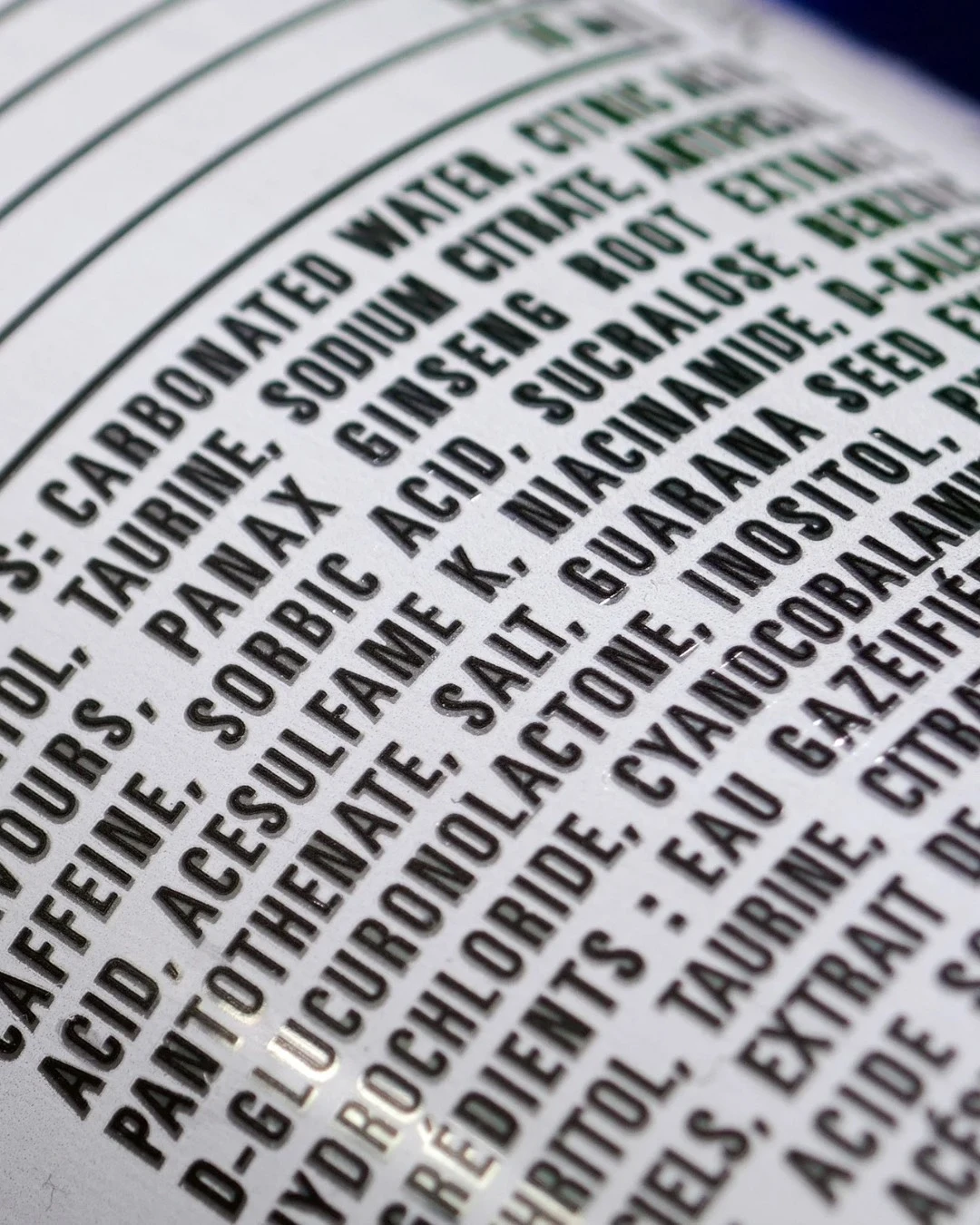
You don't need a chemistry degree to understand what you're putting on your skin
If the composition of your skincare product seems fishy, it might just be! The ingredient list of your product is the first thing to look at... but you still need to understand something. All you need are good basics and a bit of common sense.
We'll explain how to read a cosmetic label and understand the INCI list.
INCI, what is it?
INCI is the arcane name found on the back of every cosmetic product. It stands for International Nomenclature of Cosmetic Ingredients. In short: the list of ingredients, often written in a language designed to be incomprehensible.
But in reality, it's the most valuable tool for knowing what you're actually buying.
What an INCI list (really) tells you
1. Ingredients are listed in descending order
The first ingredient is the one present in the largest quantity. So if your cream starts with "Aqua" and the vegetable oil is in 15th position... you've mostly bought water.
2. Latin names = botanical ingredients
- Prunus Armeniaca Kernel Oil = apricot kernel oil
- Rosa Damascena Flower Water = rose hydrosol
It's Latin, but it's clear: "Oil" is oil, "Water" is water. There's no trick, as is often the case with natural ingredients.
3. Technical names = processed compounds
Sodium Laureth Sulfate, Phenoxyethanol, PEG-40 Hydrogenated Castor Oil... The more it looks like a WiFi password, the more wary you should be.
5 ingredients to spot at a glance (and question)
Some ingredients should be avoided in cosmetics, even those labelled "natural," because they can be irritating or act as potential endocrine disruptors:
- Parfum / Fragrance: vague, often irritating.
- Phenoxyethanol: controversial preservative.
- PEG, BHT, EDTA: derived from petrochemicals.
- Sodium Laureth Sulfate: aggressive detergent.
- CI + number: useless synthetic colorants.
Natural ingredients have strange names... but are honest
The more natural a formula is, the more complex it seems to read... But a Latin or scientific name is not synonymous with toxicity.
Recognizing plants and their uses helps to better understand natural compositions.
SENZA Tip: our formulas fit on two lines
At SENZA, no long litany of ingredients. Our products are simple, effective, and controlled.
Example with our laundry detergent:
Helianthus Annuus Seed Oil (saponified), Sodium Carbonate, Aqua, Sodium Hydroxide.
4 ingredients. All understandable. Nothing hidden. Nothing unnecessary.
Discover our natural laundry detergent in family size for clean and healthy laundry.
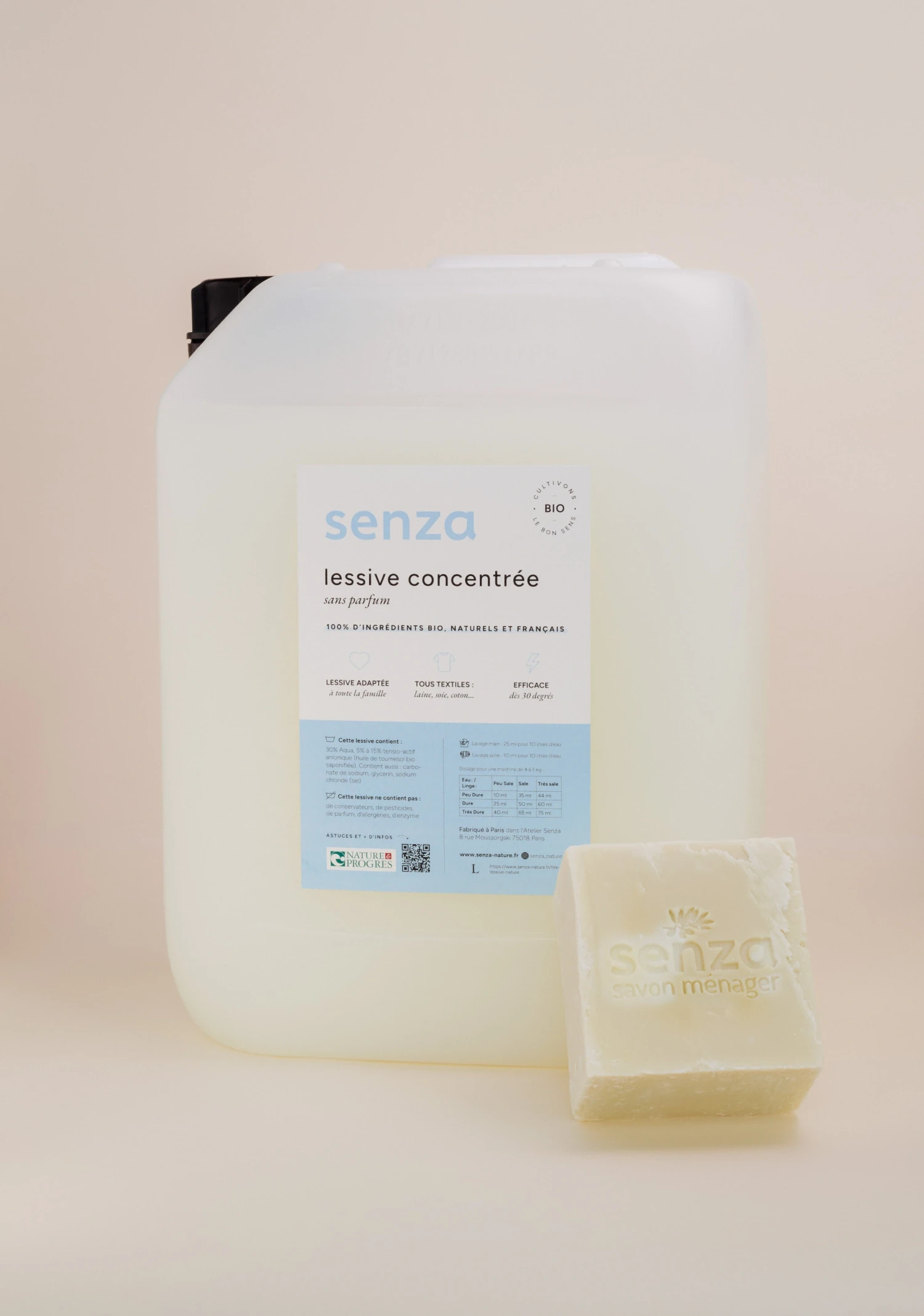
Concentrated natural laundry detergent 5L - €39.00
DISCOVER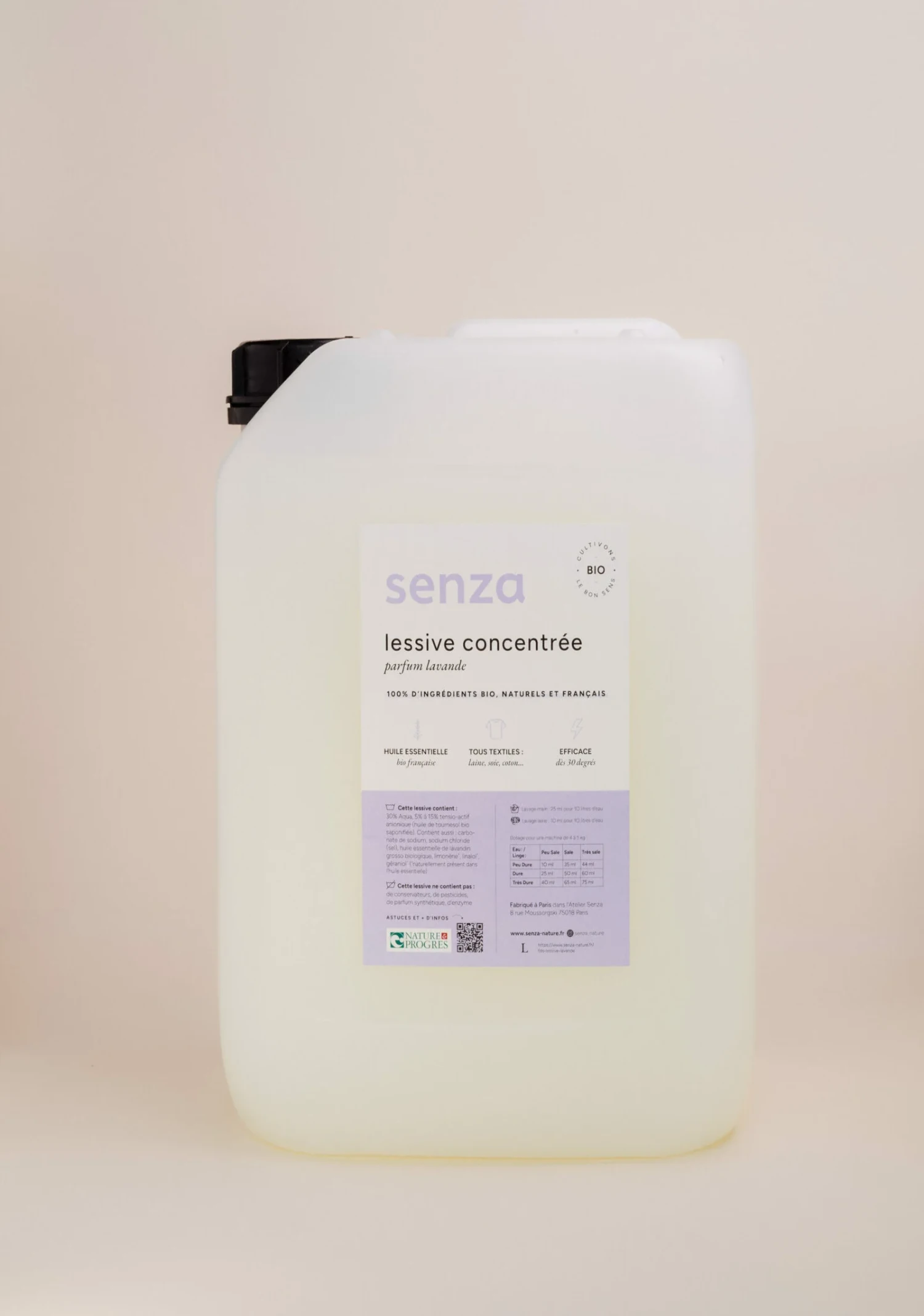
Concentrated lavender laundry detergent 5L - €39.00
DISCOVER
Concentrated eucalyptus laundry detergent 5L - €39.00
DISCOVERReading a label = cosmetic autonomy
Understanding an INCI list means taking back control over your consumption choices:
- You're buying a product, not a marketing promise.
- You're spotting greenwashing.
- You're consciously choosing what you put on your skin and your children's.
It's a real superpower.
And now you understand the INCI list?
It's your turn! How about taking a look in your bathroom to read an INCI label? You might see things in a new light...
Cosmetic label and INCI list - FAQ
What is the INCI list?
The INCI (International Nomenclature of Cosmetic Ingredients) list is the list of ingredients present in a cosmetic product. It is mandatory and allows you to know the actual composition of a product, although often written in Latin or technical terms.How to read a cosmetic label?
Ingredients are listed in descending order of quantity. Latin names generally refer to plants or natural ingredients, while technical names correspond to processed compounds. The shorter and more readable the formula, the healthier it often is.What ingredients should be avoided in cosmetics?
Among the ingredients to avoid: Parfum/Fragrance (often irritating), Phenoxyethanol (controversial preservative), PEG, BHT, EDTA (derived from petrochemicals), Sodium Laureth Sulfate (aggressive detergent), CI + number (useless synthetic colorants).Are natural ingredients safer?
Yes, even if their names may seem complex, plant-derived ingredients such as oils, hydrosols, or natural extracts are often gentler and better tolerated than synthetic compounds.Why does SENZA offer ultra-short formulas?
At SENZA, each product contains only what is strictly necessary: no synthetic fragrance, no unnecessary ingredients, just what it takes to be effective, healthy, and understandable. Our formulas fit on two lines, and that's intentional.To learn more:
What is the difference between a hydrosol and a floral water?
Effective natural household products


